Solar Electric Contractors: Professional Setup Of Photovoltaic Systems Can Significantly Lower Your Energy Costs
Preparation and Website Evaluation
When starting a solar panel setup, the very first and often most critical step is meticulous planning and website assessment. Envision attempting to plant a garden without understanding the soil quality or sunshine direct exposure-- would your seeds grow? Similarly, without comprehending your site's subtleties, a solar system may underperform or face unforeseen difficulties.
Why is Site Evaluation So Crucial?
Think about the website assessment as an investigator's work, discovering clues about your property's potential. Are there shadows cast by high trees at twelve noon? Does the roofing angle capture the sun's rays effectively throughout the year? These concerns aren't just idle musings; they identify the exact spots where solar panels will bask in sunshine or languish in shade.
Secret Aspects to Evaluate
- Sunlight Exposure: Track the sun's path. Even a slight blockage can minimize energy output drastically.
- Roofing System Condition and Orientation: Is your roofing system strong enough? South-facing roofings typically catch one of the most sun, but east or west can work with wise arrangement.
- Shading Analysis: Consider neighboring structures, chimneys, or greenery that might block sunshine at different times.
- Offered Area: How much square footage do you have for panels? Sometimes, the ideal layout requires creativity.
- Electrical Infrastructure: Evaluate your home's circuitry and inverter placement choices early on.
Tools and Techniques for Accurate Evaluation
Modern innovation makes the evaluation feel almost like a science fiction tale. Drones geared up with cams can map roofs with precision. Solar pathfinders or smartphone apps expose the trajectory of sunlight while thermal imaging identifies heat losses that may affect performance.
Planning the Layout: Science Meets Art
Think of playing a game of Tetris, but with solar panels. You must fit them in a way that optimizes exposure without crowding or shading. The layout isn't simply about technical specs; it's an art type that balances visual appeals, performance, and practical restraints.
| Assessment Element | Influence on Installation | Factors to consider |
|---|---|---|
| Sunshine Exposure | Determines energy production | Seasonal modifications, shading |
| Roofing Orientation | Performance of panel positioning | Angle, product, age |
| Structural Integrity | Safety and longevity | Weight assistance, repair work needed |
| Electrical Setup | System compatibility | Circuitry, inverter place |
Personal Insight: The Surprise Difficulties
Years earlier, a buddy of mine dove headfirst into setting up solar panels without comprehensive evaluation. The house was charming, but a tall oak tree, wonderful in summer, cast a shadow that paralyzed the system's output. It was a costly lesson-- no matter how eager you are to go green, the groundwork should be strong.
So, when you stand on your roofing or study your lawn, ask yourself: Have I really revealed every detail that could make or break this solar journey? That interest can change a simple installation into a powerhouse of sustainable energy.
Installation Process and Methods
Ever wondered why some photovoltaic panel setups seem to catch the sun's energy much more efficiently than others? The secret typically lies in the installation process. It's not almost slapping panels onto a roofing; it's a precise orchestration of angles, materials, and timing. For example, a slight misalignment of even 5 degrees can minimize energy output by as much as 10%. That's a hefty loss for something so apparently trivial.
One technique experienced installers swear by is beginning with an extensive roofing evaluation. This isn't just a security check-- it's about evaluating structural integrity and shading patterns throughout the day. Shadows from chimneys, trees, or even close-by buildings can develop unexpected dips in efficiency. Envision investing thousands just to find half your panels basking in shade by noon!
Step-by-Step Setup Breakdown
- Site Evaluation: Mapping sun exposure and roofing system condition.
- Design Layout: Choosing on the number and positioning of panels based on energy objectives.
- Mounting Setup: Securing racks with weatherproof seals to prevent leakages.
- Panel Positioning: Lining up panels to optimize solar absorption.
- Electrical Electrical Wiring: Linking panels to inverters and the home's electrical system.
- System Testing: Confirming output and security compliance.
One key insight hardly ever shared outside the trade: the option of installing hardware considerably affects durability. Corrosion-resistant metals like stainless steel deserve their weight in gold when fighting the aspects. More affordable alternatives may save in advance expenses but could result in premature failures.
Expert Tips for a Perfect Installation
- Use a digital inclinometer for precise panel tilt measurement-- human eye guesses will not cut it.
- Pre-drill all mounting holes before repairing the racks to avoid roofing damage under tension.
- Label every wire connection carefully to avoid headaches throughout troubleshooting or future expansions.
- Consider microinverters or power optimizers for roofing systems with irregular shading to maintain performance.
- Confirm all grounding points to prevent electrical risks and improve system dependability.
Remember, the setup method can dictate the distinction between a system that hums along silently for decades and one that sputters out prematurely. Are shortcuts appealing? Sure. In solar panel setups, precision and perseverance pay dividends far beyond the preliminary shine.
Exploring the Ranges of Solar Panels
When it comes to solar panel installation, not all panels are created equivalent. Have you ever wondered why some systems seem to absorb sunlight like a sponge, while others barely keep up? The kind of photovoltaic panel picked can make all the difference in efficiency and longevity.
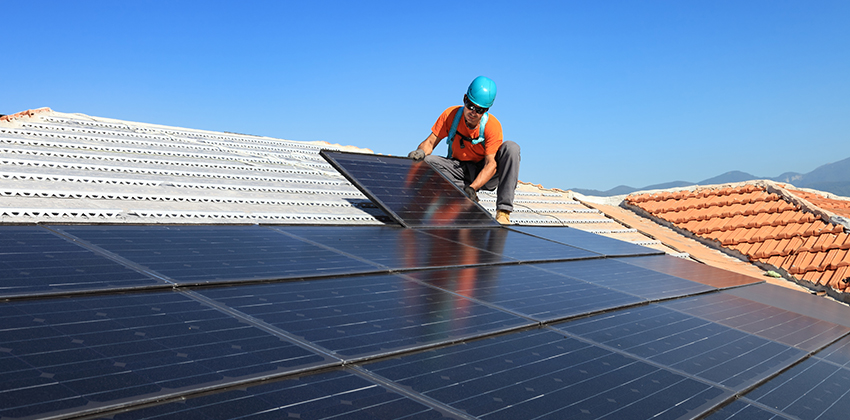
Monocrystalline Panels
These are the sleek black panels that control roofs with their uniform look. Crafted from a single crystal of silicon, they use the highest performance rates, often going beyond 20%. Yet, their production procedure is energy-intensive, which sometimes provides pause to the eco-conscious installer. Their compact size makes them perfect for restricted roofing area, but be careful: they tend to cost more upfront.
Polycrystalline Panels
Polycrystalline panels look like a mosaic of blue-tinted silicon shards, providing them a speckled appearance. They're less effective than their monocrystalline cousins, hovering around 15-17%, however their manufacturing process wastes less silicon. If you have sufficient roof area, these can provide a cost-effective choice without sacrificing excessive efficiency.
Thin-Film Panels
Imagine a solar panel as thin as a sheet of paper. That's thin-film technology. It's flexible, light-weight, and often used in non-traditional setups-- think curved surfaces or portable solar battery chargers. Their efficiency lags behind, normally near 10%, and they require more surface location to produce the exact same power. A curious reality: these panels perform much better in low-light and high-temperature conditions, making them a dark horse in certain environments.
Secret Aspects to Weigh Before Installation
- Effectiveness vs. Area: Are you limited on roofing system area? Monocrystalline panels provide more power per square foot.
- Budget plan Constraints: Polycrystalline offers a well balanced mix of expense and performance.
- Setup Surface Area: Curved or unconventional surface areas might take advantage of thin-film versatility.
- Ecological Conditions: Hot climates may lower effectiveness in some panel types.
Expert Pointer
During setup, aligning panels to optimize sunlight exposure isn't practically orientation; think about the angle of the roofing system and potential shading throughout the year. Even the very best panel loses worth if watched by a chimney or neighboring tree. Before settling your option, perform a shading analysis-- this can save you from a quiet, underperforming solar selection.
Contrast Table
| Panel Type | Efficiency | Cost | Perfect Usage | Appearance |
|---|---|---|---|---|
| Monocrystalline | High (20%+) | Greater | Restricted space, high output | Black, uniform |
| Polycrystalline | Medium (15-17%) | Moderate | Cost-effective, adequate area | Blue, speckled |
| Thin-Film | Lower (~ 10%) | Lower | Flexible surface areas, portable | Varies, typically dark |
In the end, selecting the best photovoltaic panels is more art than science. It's a dance in between what the roof needs, what the budget plan allows, and how much energy you aim to harvest. Have you examined the roofing's bearings and tilt recently? In some cases, that silent concern holds the essential to unlocking solar success.
Precaution in Photovoltaic Panel Installation
Envision standing on a roof, sunlight blazing down, with sharp tools in hand and a fragile photovoltaic system waiting to be secured. Safety isn't simply a checklist-- it's a mindset. Electrical dangers prowl below the panels, and even a small mistake can turn a sunny setup day into a major accident. Have you ever thought about the dangers of an energized circuit exposed during setup? Using insulated gloves and using non-conductive tools isn't optional-- it's a lifeline.
Fall defense systems are often underestimated. Harnesses and guardrails aren't just regulative formalities; they are the thin line in between a successful project and a long-lasting remorse. When working on sloped roofing systems, constantly anchor yourself to a trusted point. An easy slip can cause devastating repercussions, so double-check your anchors before every action.
Environmental Effect Awareness
Photovoltaic panel assure green energy, however their setup can still leave an ecological footprint. Troubling local flora or disrupting soil can have lasting impacts on the micro-ecosystem beneath your feet. Have you noticed how a careless installation can cause disintegration or block natural water drainage? Planning the layout to protect native plants and prevent Home Solar Panels unneeded soil compaction is a subtle art that often goes neglected.
The disposal of packaging materials and old elements is a quiet hazard. Lots of installers neglect the environmental cost of waste generation. Adopting a zero-waste approach by recycling aluminum frames and securely getting rid of harmed cells can make a huge distinction.
Insider Tips for Safer and Eco-Friendly Setup
- Pre-Installation Site Study: Examine weather patterns and sunlight angles to reduce panel repositioning, minimizing both security dangers and soil disruption.
- Usage Eco-Friendly Materials: Choose eco-friendly sealants and mounting hardware that will not leach hazardous chemicals into the environment.
- Electrical System Lockout: Constantly de-energize circuits before working on wiring to get rid of shock dangers.
- Carry Out Disintegration Control: Put down momentary mats or mulch to protect soil throughout setup phases.
- Waste Partition: Establish separate bins for recyclable and non-recyclable materials on-site to assist in responsible disposal.
Balancing Performance with Duty
Is it possible to marry effective photovoltaic panel installation with uncompromising safety and environmental stewardship? Absolutely. When installers approach each project as a guardian of both human life and nature, the results go beyond mere energy production. The panels become symbols of respect-- regard for the planet and those who tread upon it during installation.